by Stephanie Forsythe and Todd MacAllen
The foundation of molo’s design ethos is about more than visual aesthetics—it’s rooted in the orchestration of sensory experience.
Every object we create is conceived as a layered encounter—where touch, temperature, sound, light, and even instinctive emotional responses are all active participants in the dialogue between design and space.
We believe our objects should evolve with each user, revealing new dimensions over time. By imbuing a living essence into our designs, we discover how a texture, a shift in acoustics, or the way light filters through material, contributes to our lived experience.
What might shift in our lives if we allowed our senses to lead—if we curated our environments not just for function, but for feeling?
enhancing sensation
Across cultures, tea drinking is one of the world’s oldest shared rituals—as seen in ceremonies from Japan to Morocco. But sharing tea is not about the object; it’s about the immersion of the leaf, pouring a cup for a companion, and social connection. Beyond the desire to create a beautiful object, we wondered how we could use this multi-sensory aspect as a guiding principle in design.
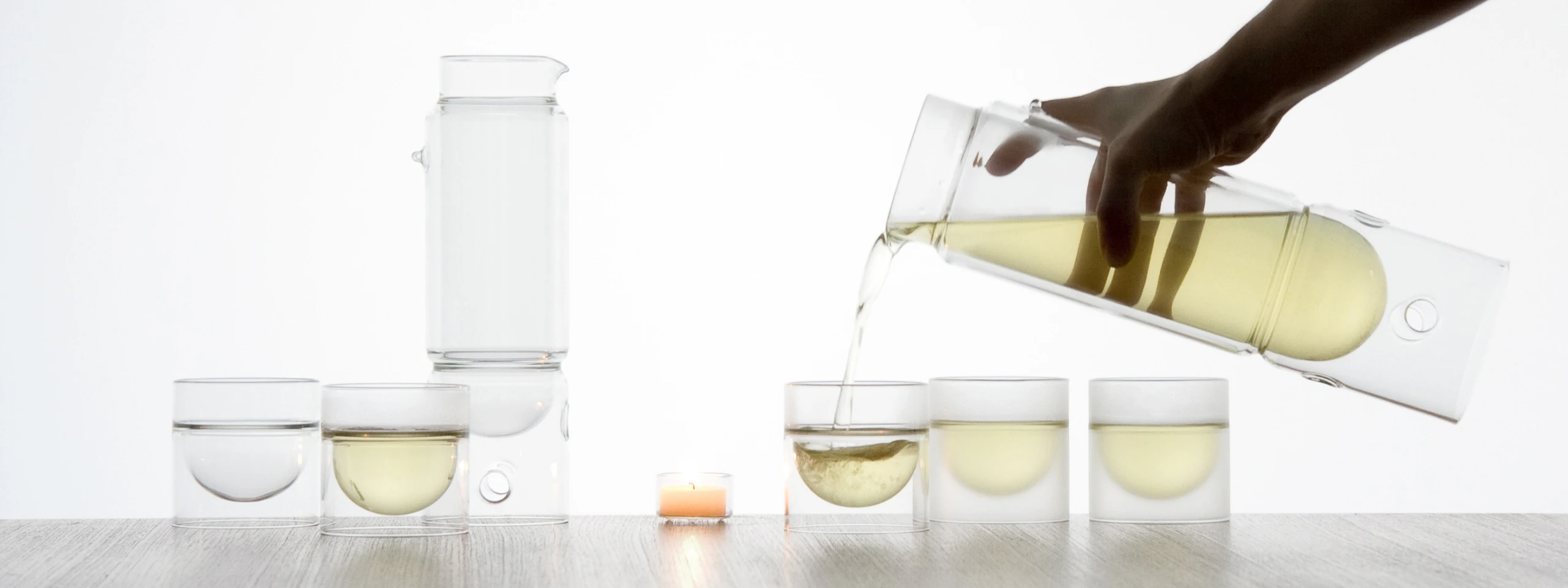
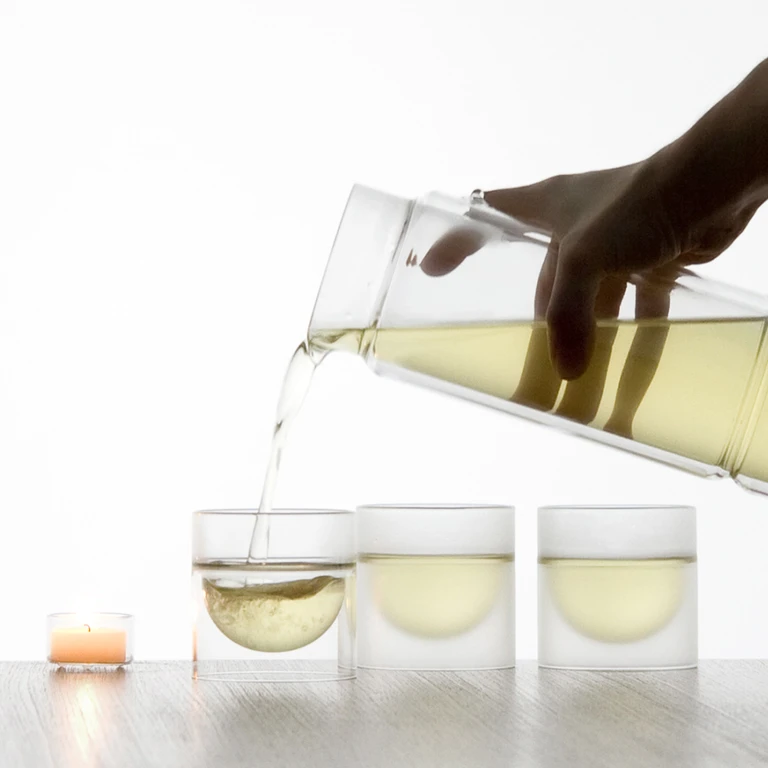
The result was float tea lantern. By making a completely transparent glass vessel void of extraneous materials, the simplicity of float tea lantern allows the object to disappear, allowing the real visual expression to come through. In addition to the vessel itself, we were drawn to the way many drink tea by holding a cup with both hands. Considering how temperature is felt differently across the surface, we created glasses that gave warmth or coolness depending on the way it was held.


design beyond visuals
Contemporary design is often defined by a devotion to aesthetics and form, which is subsequently motivated by trends. We prefer to move beyond that overreliance on the visual in favour of a richer sensory spectrum by asking: What happens when we consider sound? Touch? Or the layered experience of a space?
Having trained in a hands-on era—sketching, building, and walking the sites—we learned the value of being present with materials and landscapes. Even now that we regularly use computers, it’s nowhere near as satisfying to do research virtually as it is to engage in real life.
Because something marvelous happens when we are present in an environment. While building in a forest, we consider how aspects like its quiet insulation, natural paths, the flow of wind, are points of inspiration. There is a symphony of sound and feeling you can create depending on the environment and form you’re creating. It happens naturally as you really place yourself mentally in a place, and how to celebrate all of the things that happen there.


the material feeling
Design speaks to the body as much as the eye. In our studio, each choice is guided by how it feels, smells, sounds, and settles in the body. By nature, each material brings about a sensation, and that is inherently an emotional experience. Scent can summon memory more quickly than sight. The warmth of a surface can evoke comfort, whereas cold can create distance.
We’re reminded of this in our own kitchen, where our marble island acts as a natural hearth to gather around. Since marble is cold to the touch, we soon recognized how uninviting the material was for this purpose. It could have regained that sense of connection if we had added heat beneath the material. But regrets become design lessons. This serves as a reminder that materials are not just about performance, but about how they participate in experience.


a natural dialogue
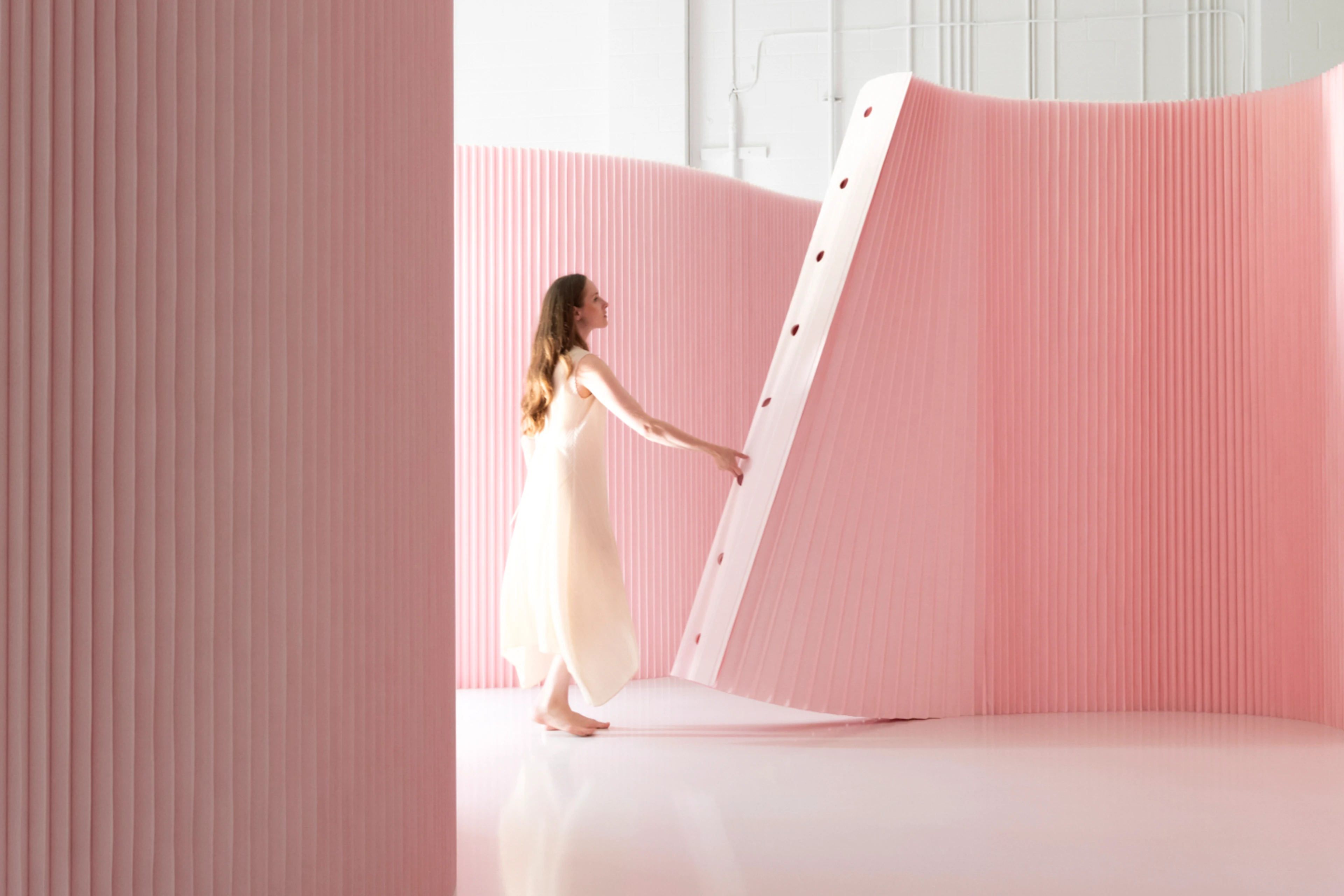
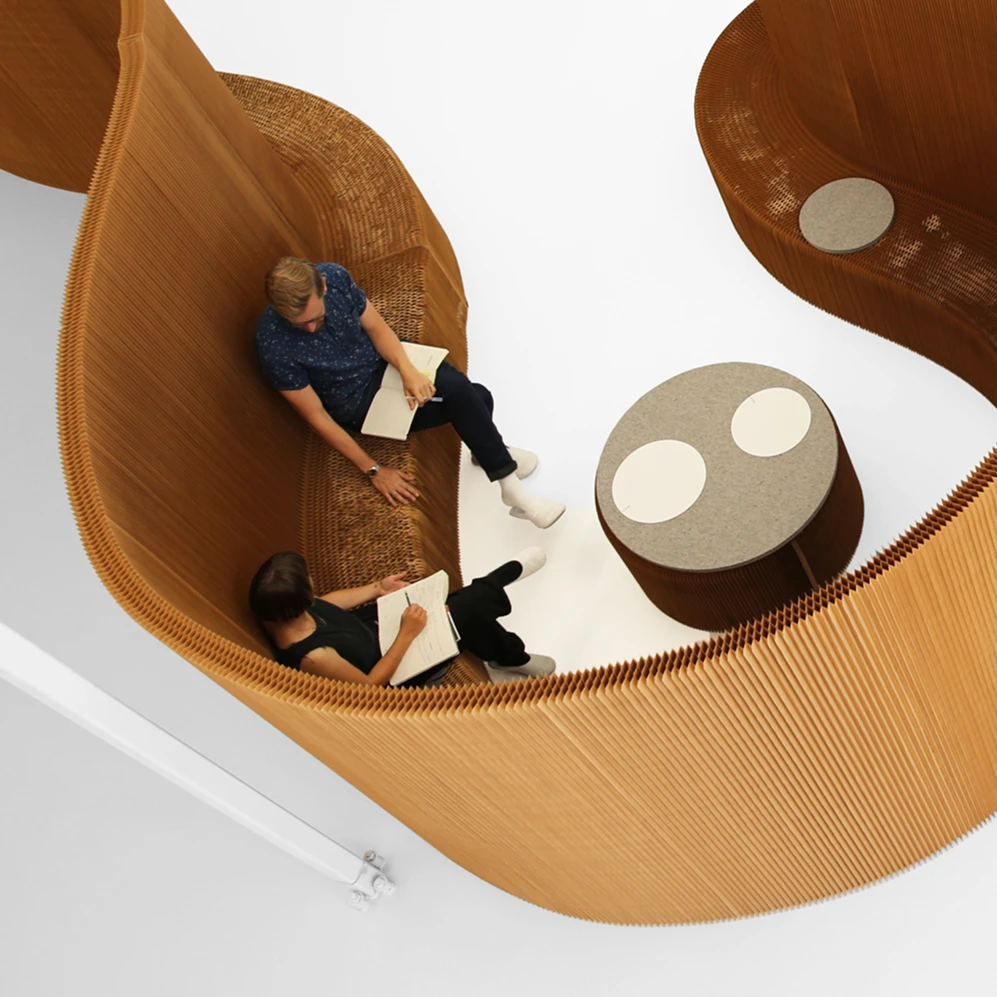
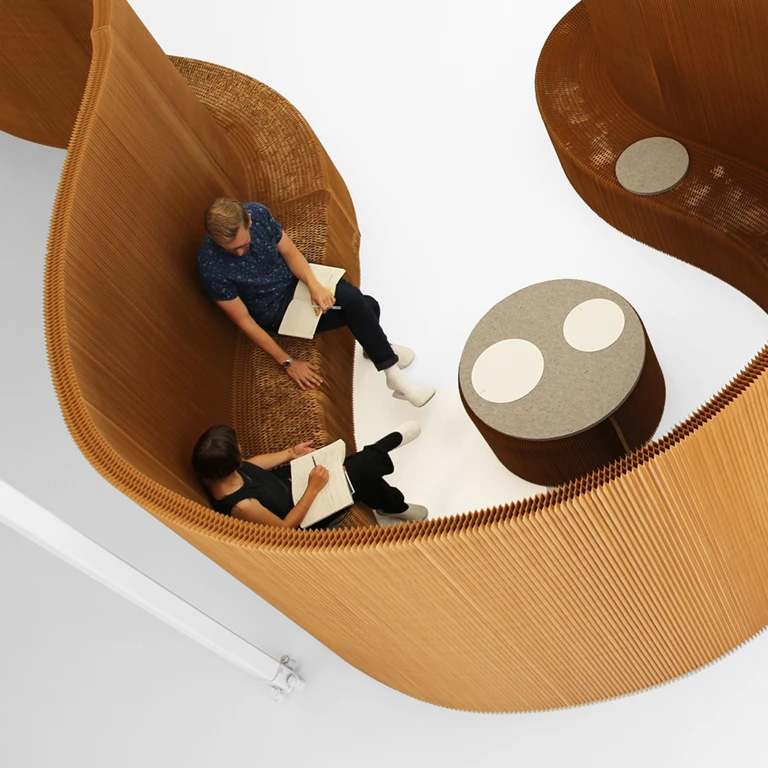
The sensory nature of our work reveals itself most vividly in the way people engage with it. Children, unencumbered by instruction, reach out instinctively to objects like softwall — touching, exploring, and experiencing the material.
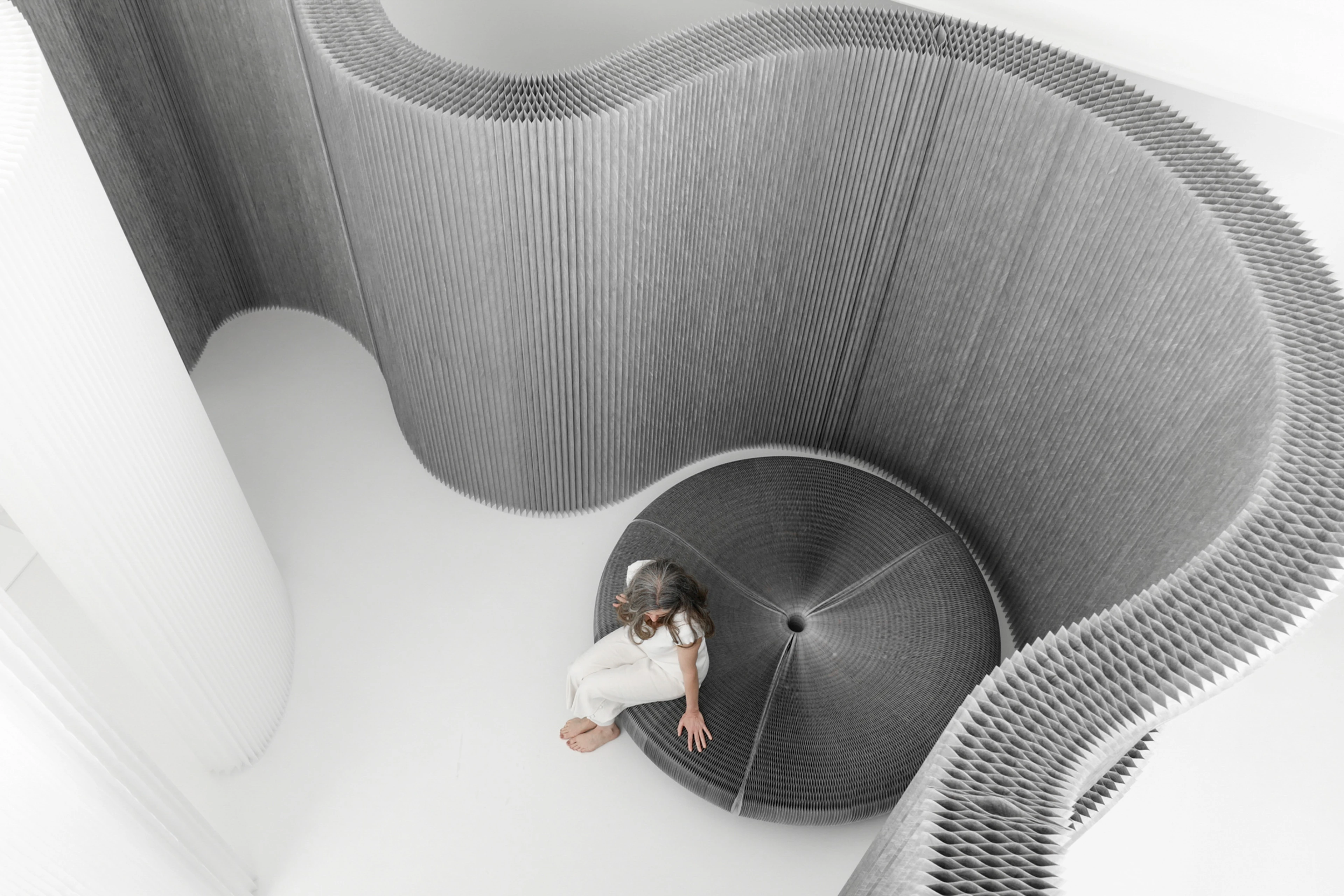
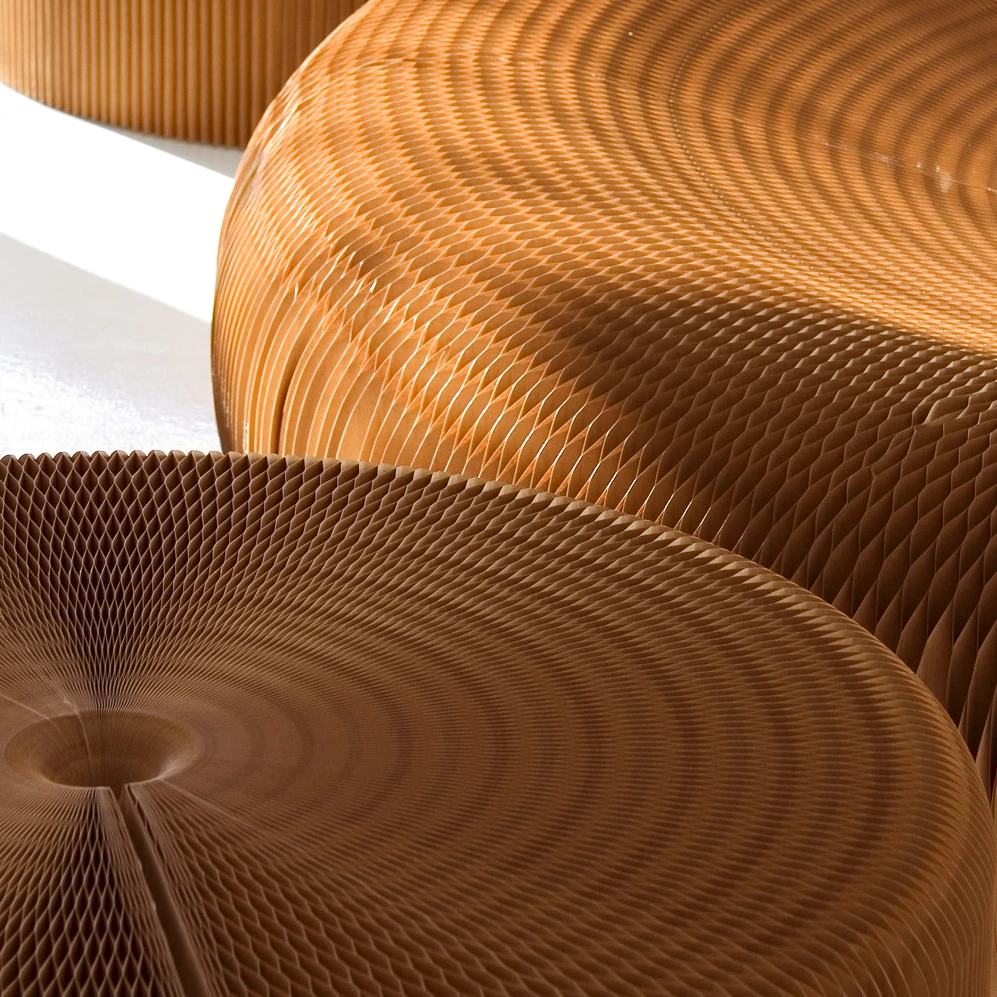
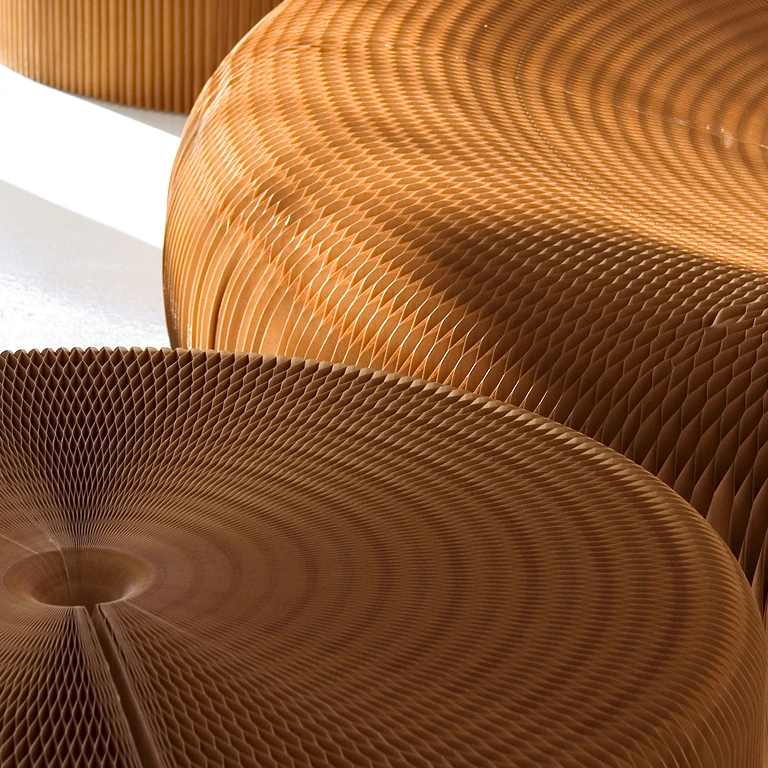
This sensory dialogue deepens over time, as our pieces evolve with use. softseating, for instance, is literally impressed by touch and experience, as if it has memory. As people sit on it over time, a gentle crushing of each fold becomes a new texture, a visual record of interaction. There’s a quiet poetry in that change, echoing natural processes, like wind tracing lines through tall grass, or waves etching patterns into sand. For us, there’s something comforting about watching the process of change – it just feels right when there are irregularities and imperfections.
We enjoy the way natural materials rejoin the rhythms of nature over time. It’s as if the objects have an organic, living awareness.
a living quality
It is proven that having living objects in a space helps us mentally, which is why we give molo objects a living quality. As they engage the senses, they engage the mind in more creative and productive ways.
In our studio, we aim to foster a sensory experience by encouraging our team to reimagine their workspace each day. It’s a ritual of renewal and a rebellion against sensory monotony. These daily shifts—moving a softwall, adjusting light, responding to sound—reconnect us to the physical world. They remind us that space is not static, and neither are we. To design for sensory discovery is to create the conditions to allow people to shape their environments as they shape themselves.