by Stephanie Forsythe and Todd MacAllen
From the beginning stages of molo, we set out to create spatial objects that could transform how spaces are made, adapted and used. At some point, we became aware of a recurring theme in our work: co-creation. We design walls, furniture, and lighting that give people the opportunity to participate in the design of their own interior environments.
Rather than designing furniture with rigid definitions of use, we envision layers of possibilities — objects for gatherings, performances, pauses, and transitions. In doing so, users are given freedom to imagine how to interact and engage with their spaces and objects intuitively.
Every molo user is inherently a collaborator, actively shaping how and why each piece exists in space. We have come to see how essential our community’s imagination is to the existence of our work.
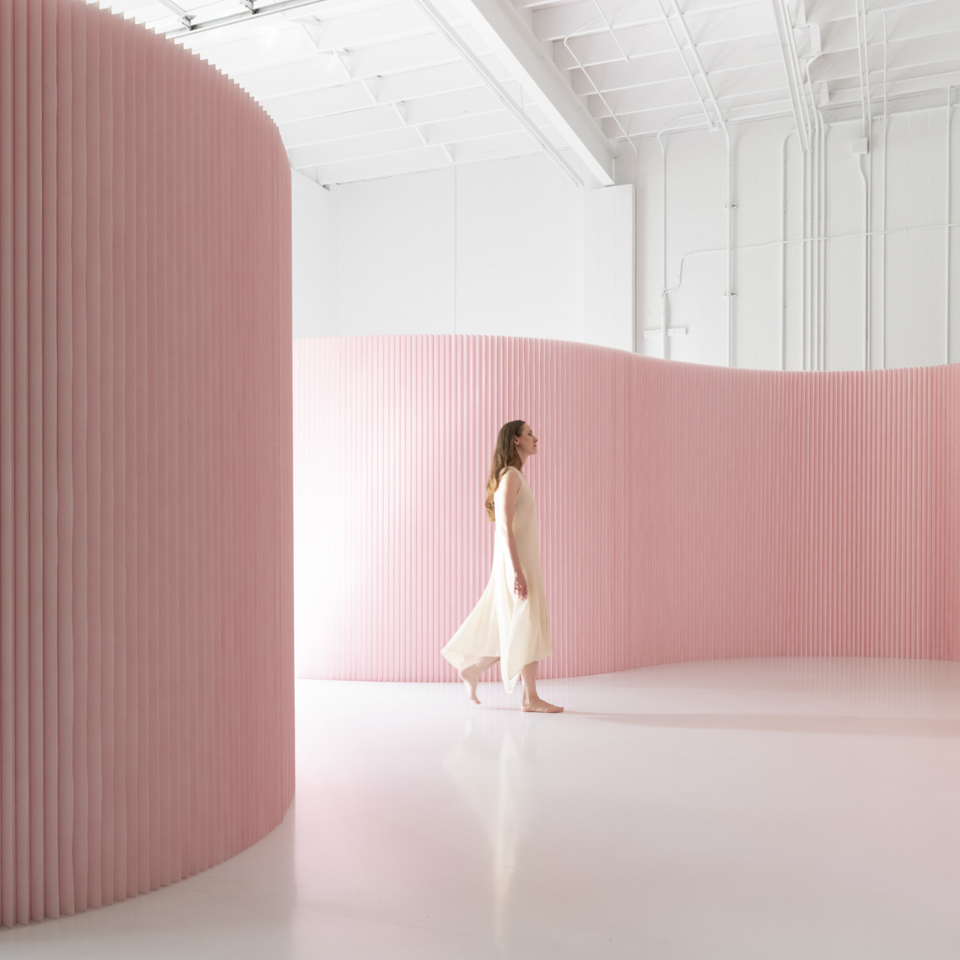
intuitive intent
In many ways, intent comes intuitively. For instance, float teaware is a series of glass vessels that hold and distribute liquid. However, you participate in the design by activating the starting point. The object blurs the lines of ritual because the user must engage with it. The moment someone sits down and starts steeping tea, they take over the design and carry it on.
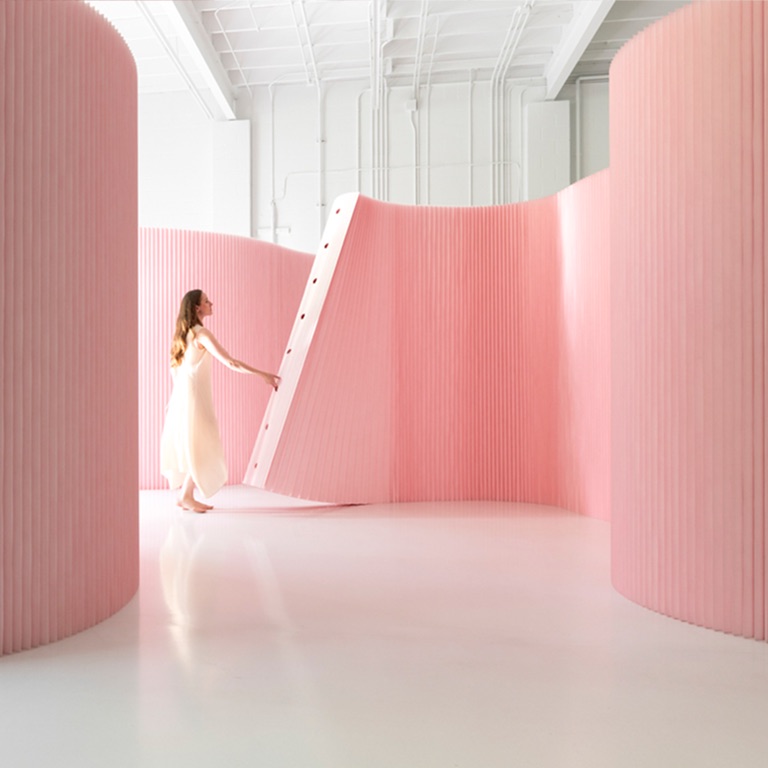
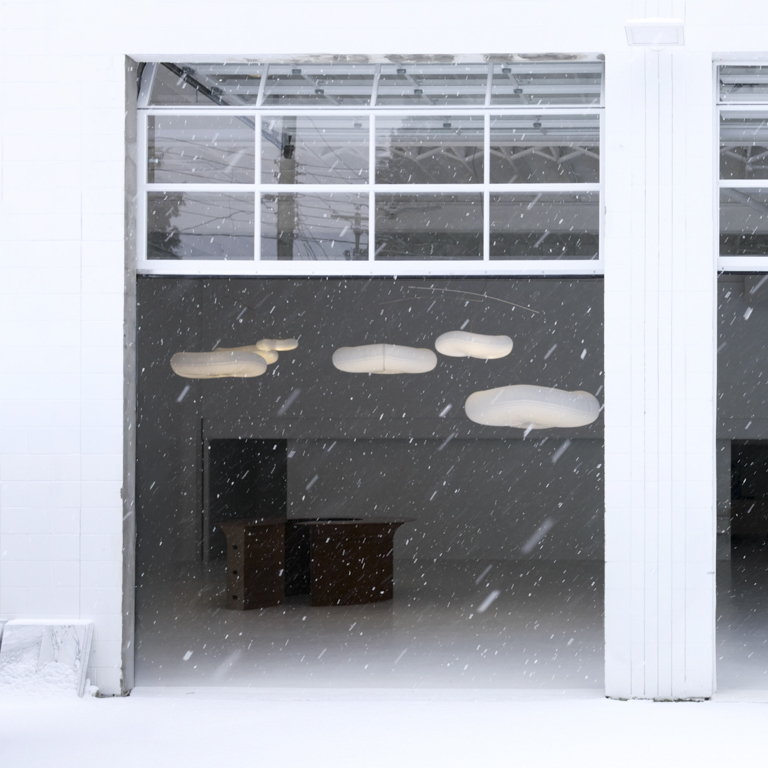
Collaborations often carry our designs into surprising, creative territories. It’s rewarding to work with choreographers, set designers, and event planners to reimagine new forms and dimensions for molo pieces. On stages and among performers, we’ve witnessed how softwall becomes part of the play; a partner in the dance itself. In collaboration with choreographer Jessica Lang and the National Ballet of Japan, our cloud softlight becomes atmospheric set, protagonist and costume. Our perception of our own pieces begins to evolve based on how they’re used, and so the collaboration continues.
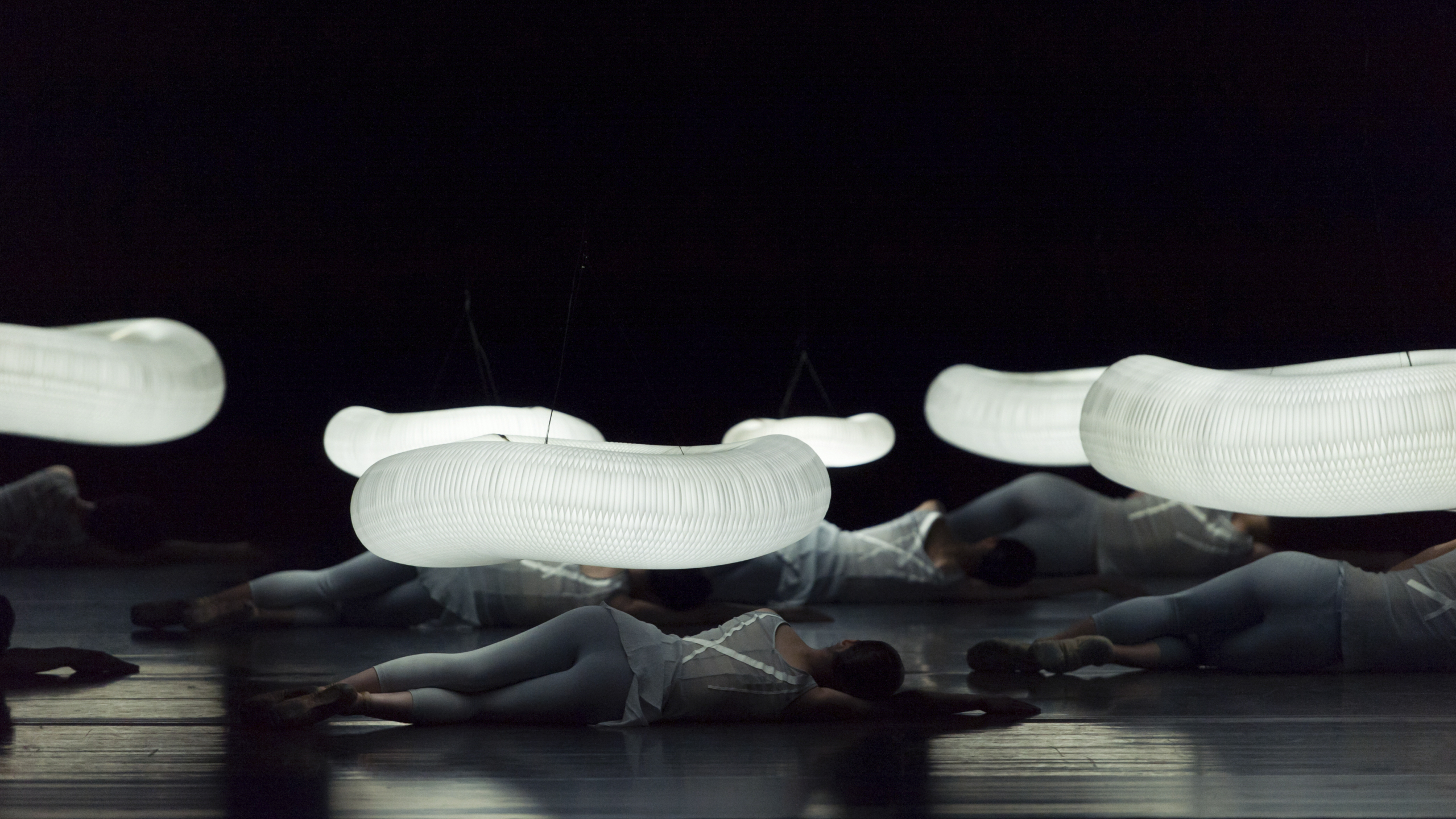
elastic potential
Our focus is on atmosphere rather than instruction. When we showcase molo pieces, we lean toward sculptural abstraction to demonstrate their emotive and sensory potential in shaping space. There’s no right or wrong way to use a molo piece when intuition and instinct come into play.
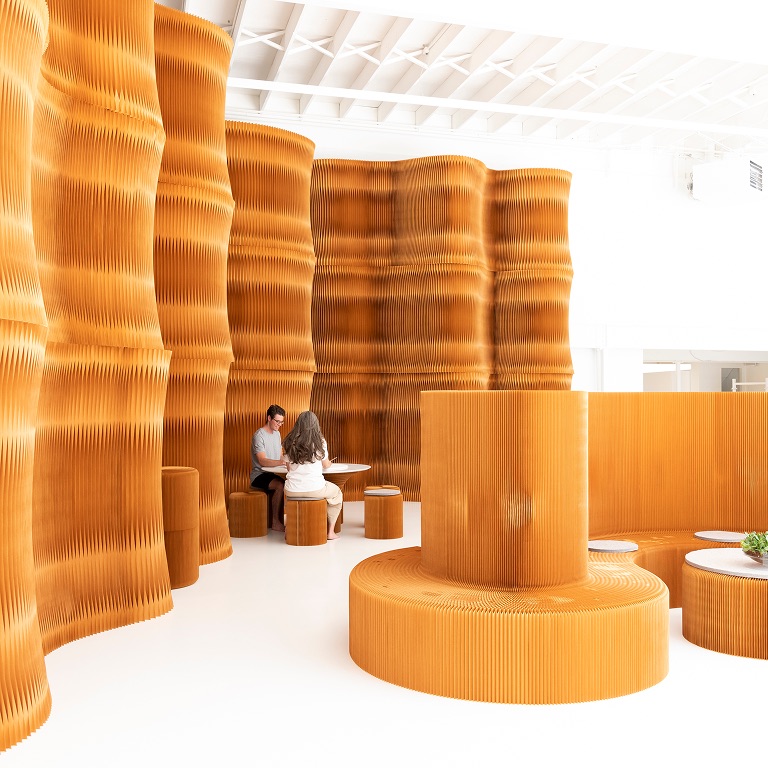
In recent film work, we seek to inspire curiosity and imagination. Not to prescribe use, but to demonstrate the potential behind each piece. After two decades of early adopters exploring the work in expansive, often unexpected ways, there is now a breadth of lived examples to draw from. We never want our designs to become boxed into one particular industry or experience, so in showing these moments, we invite you to imagine your own worlds with these pieces.
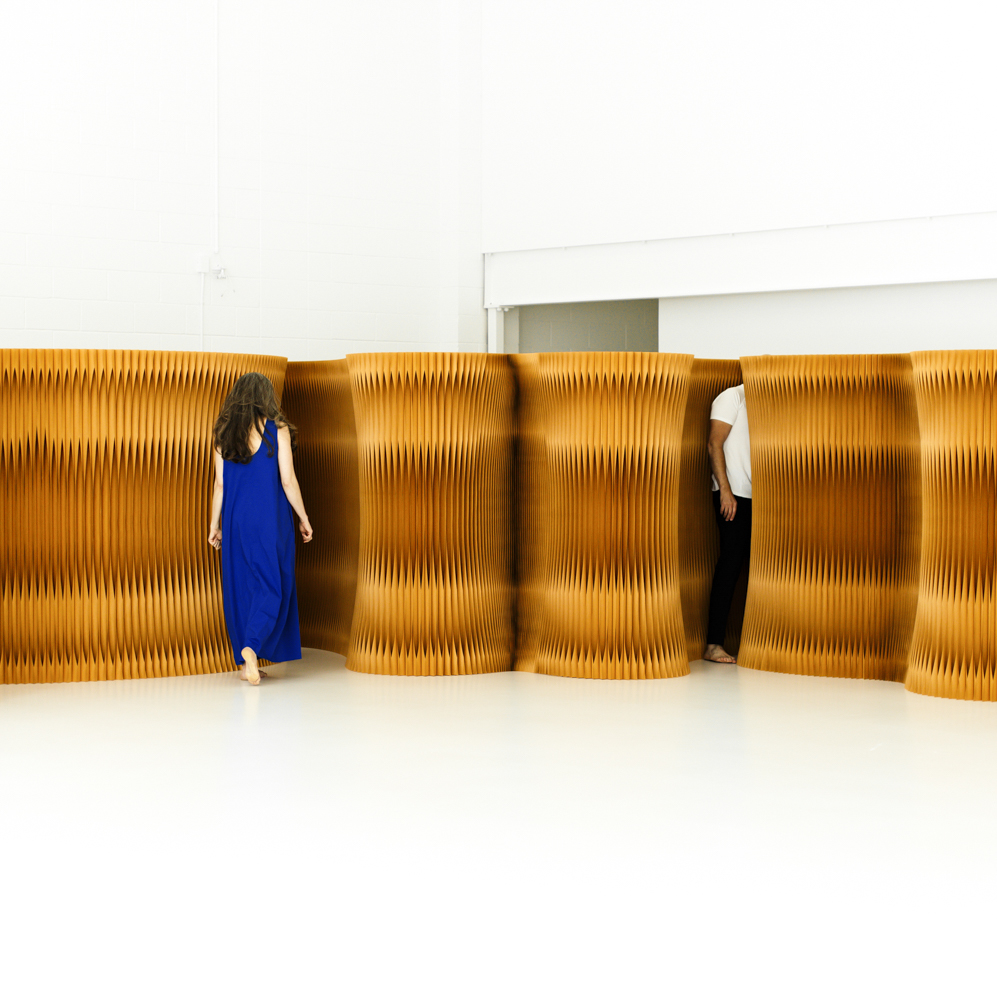
completion through participation
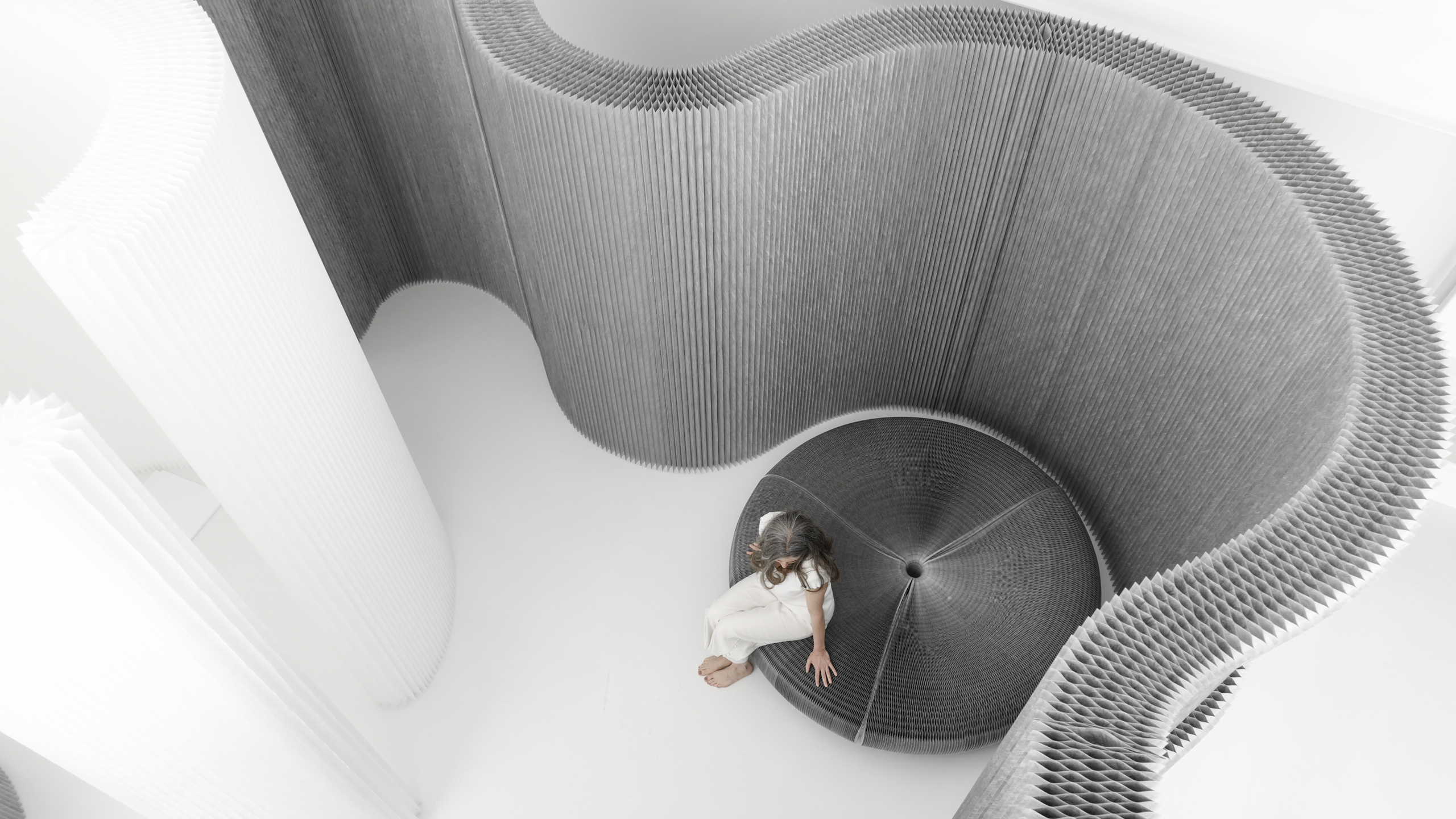
What fascinates us most is what happens when the work becomes part of a larger conversation with space, occupants, and natural movements. We are reminded of the work of Richard Serra, who constructs large steel forms that can appear scaleless and placeless in photographs. Yet when bodies move among them, their magnitude, physicality and spatial relationships provide a profound experience. The viewer’s presence is essential to the piece’s completion.
Not all art depends on this reciprocity, but our work asks — and entices — this creative collaboration. Without engagement, our pieces would simply be abstract sculptures. Created with the understanding that people will move and gather within it, our community is an integral part of the design. Users bring the work to life.