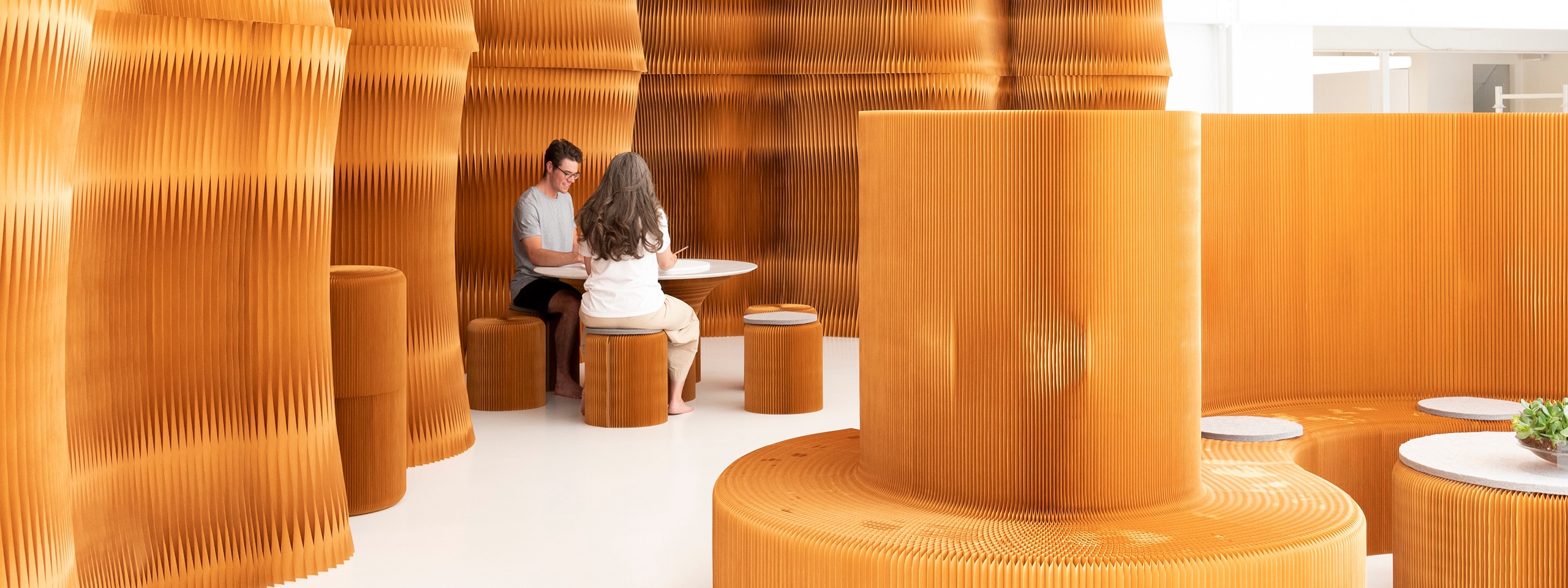
by Stephanie Forsythe and Todd MacAllen
Authorship has long defined conversations around art and design. From the Renaissance to the rise of mass industrialism, the act of authentication has been an act of protection and reverence for ideas, stories, and the spirit of creativity.
Choosing an original is an act of cultural preservation. By placing value on originals, we champion the unseen elements that make great art.
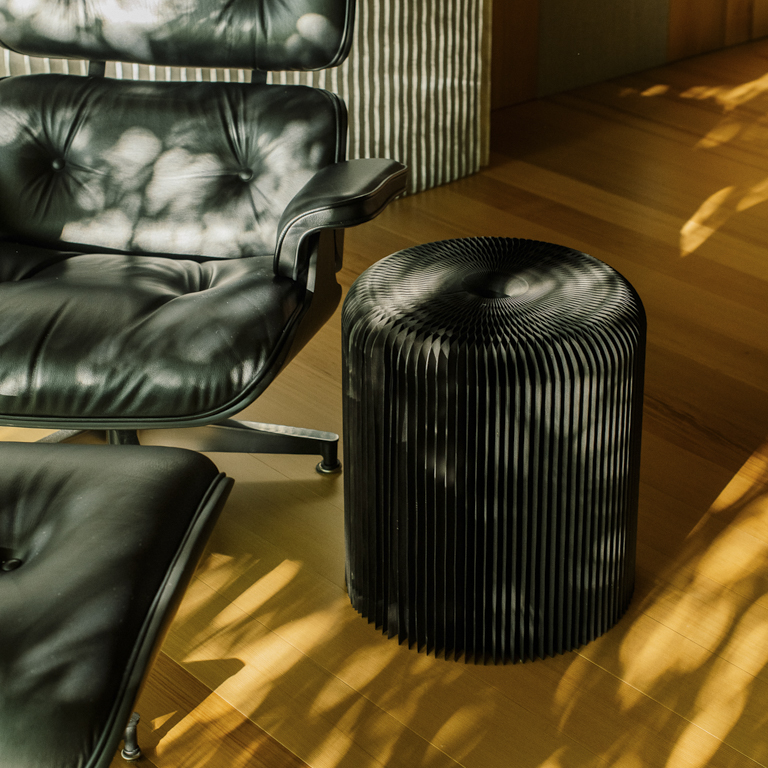
Where everyday consumers may simply see an interesting chair, table or tea kettle, we see thousands of hours of study, iterative trials, and meticulous sourcing.
The landscape of art and design has grown crowded with imitations and dupes, erasing stories and depth. We believe it’s essential to understand what separates an original from an imitation, and how, in choosing an original, we keep a spirit of creative innovation alive.
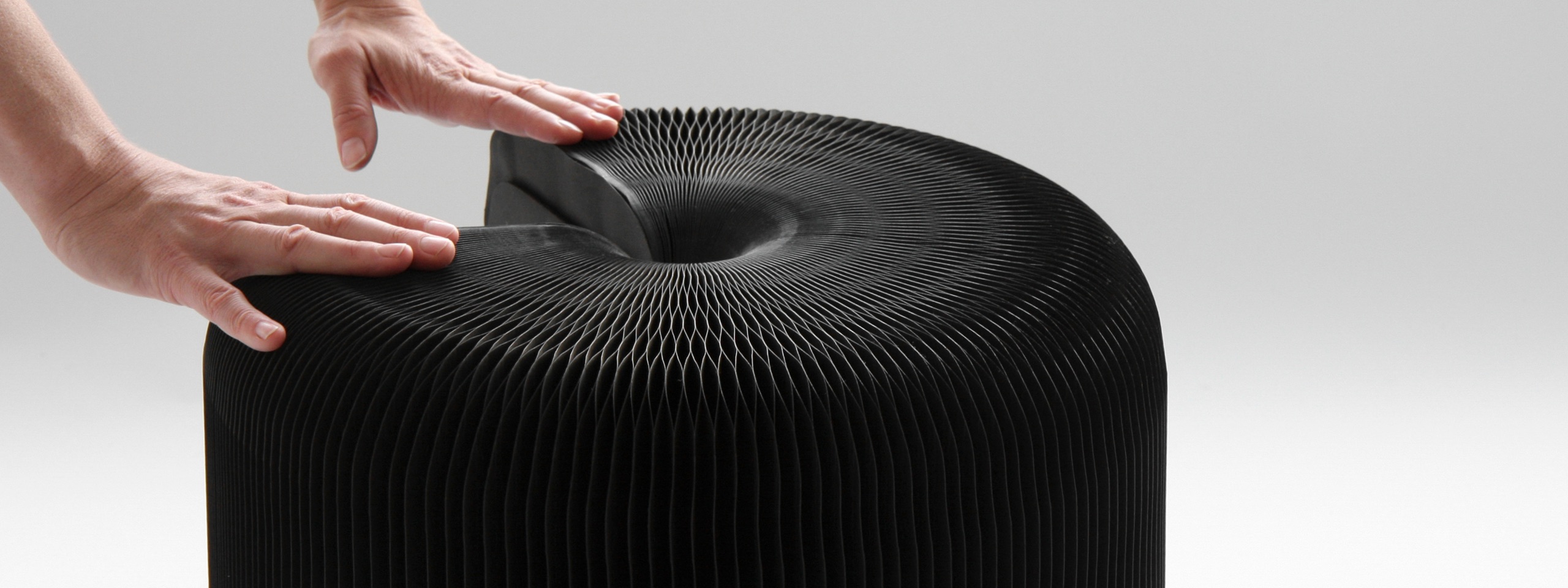
manufacturing integrity
What goes into making an original piece? One of the biggest challenges is manufacturing, and navigating the intricate relationships between people, the environment and values.
From the beginning, we meet the people who will bring our ideas to life. We visit workshops, walk the floors, and learn how things are made, because when we see healthy conditions and feel a sense of pride in the air, we know people are taking care of things well. The partnership must demonstrate our values and reflect an attitude of excellence. Many of these relationships now span twenty years or more.
Beyond manufacturing, achieving the highest levels of certification is another unseen process. Processes like dyeing or adding fire retardant to materials mean every hand involved must be carefully considered. Achieving FSC® certification, acoustic ratings, lightfastness, or a fire retardant claim is a rigorous, high-cost process for all involved.
Copies are typically driven solely by profit, which means many of these steps are eliminated. When focusing on the bottom line, manufacturers don’t invest in quality control, sustainability certifications, and high ethical standards.
For us, creating responsibly is not a business exercise; it’s a commitment to integrity that touches every aspect of our lives and work.
intentional collaborations
Our work is an exploration of building more thoughtful worlds and experiences. We see design as an act of optimism: each piece an invitation to imagine better ways of living.
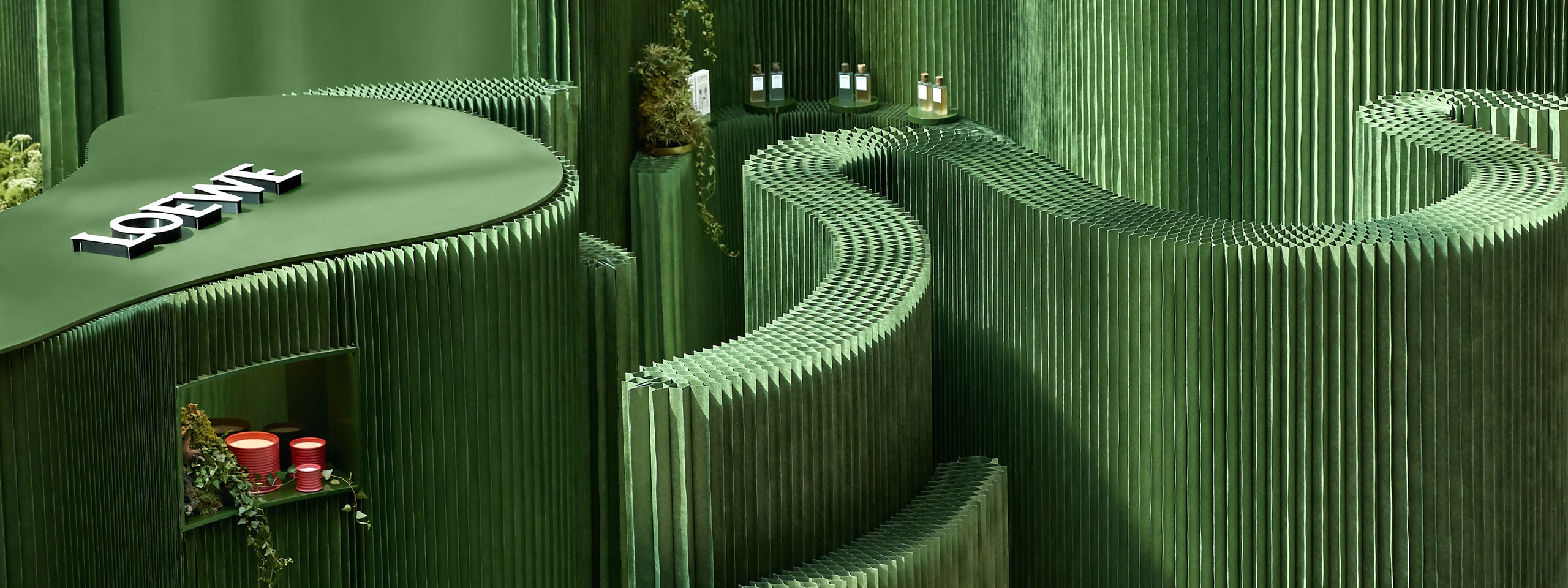
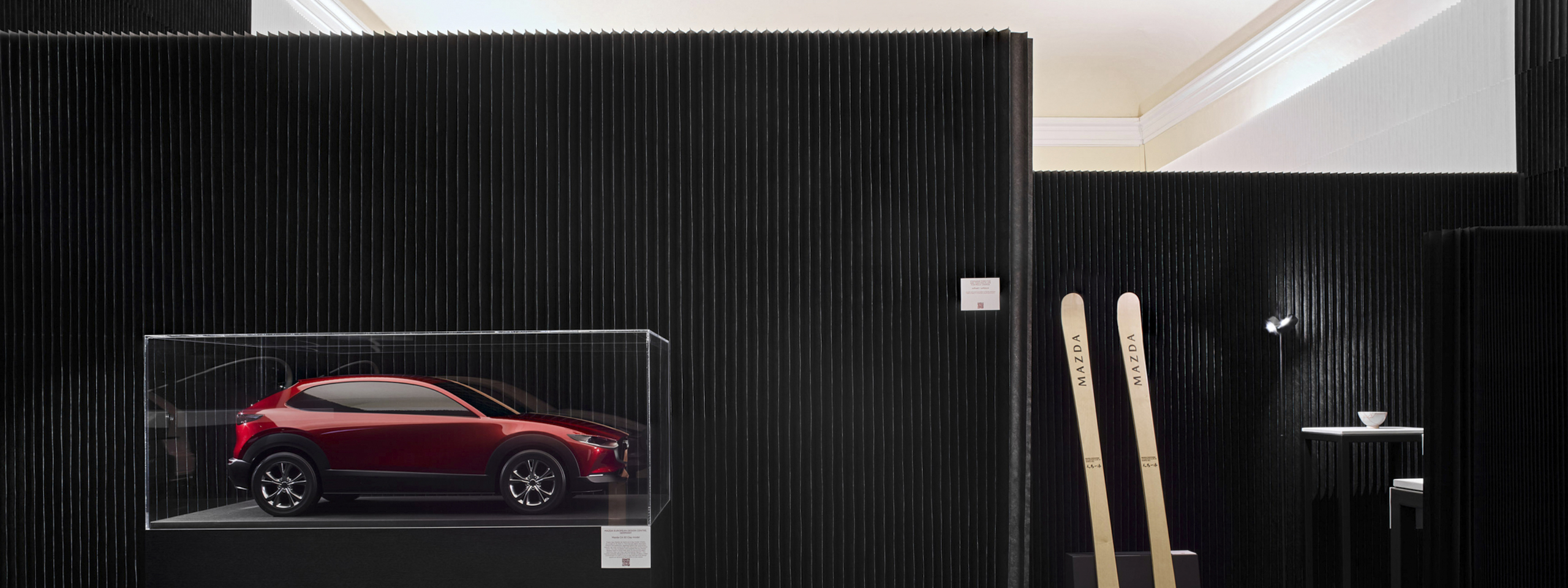
Collaboration is central to that vision. It begins with manufacturers and partners, and continues with the brands we work with. We value partners who share our respect for originality and integrity, guided by values that have endured for generations. This is reflected in many of our ongoing partnerships with international designers and fashion houses. They are committed to maintaining a standard of craftsmanship that prioritizes quality over demand in order to preserve their legacy.
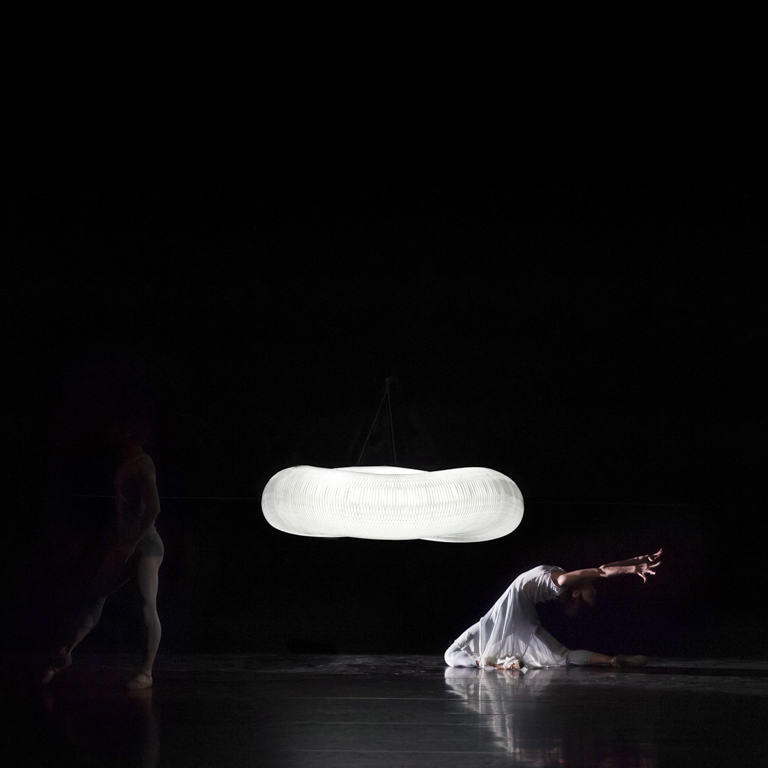
There is deep creative synergy in selecting partnerships with artists and creative studios. From Jessica Lang Dance to sound artist Ethan Rose to TED, we’ve experienced how special it is to work alongside others who are imagining new worlds.
creativity as a human force
At molo, we value the dialogue that occurs in design. It’s compelling to see work reinterpreted, yet what we often encounter are lazy replicas built without the spark of human creativity or a commitment to quality. Dupes of molo’s work are typically smaller, less durable, lack essential certifications and are produced without attention to craftsmanship. Beyond quality and sustainability, they do not inherit the story, the knowledge, or the time it takes to create a legacy piece.
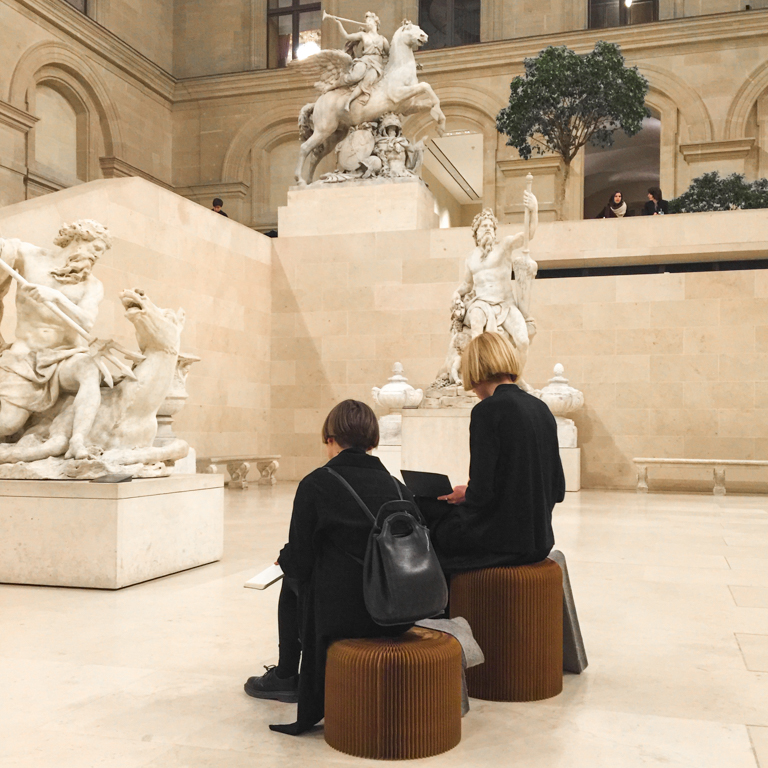
When building spaces, consider how pieces will elevate and enhance your lived experience. In building your own micro-worlds thoughtfully, you help to build a better world for everyone around you.