by Stephanie Forsythe and Todd MacAllen
Life is dynamic; our buildings should be too. Life requires us to make continual revisions: at home and at work, in how we gather and find privacy, and in how we approach change as it comes. How can a space evolve alongside the complexities and nuances of our lives?
We’ve learned that being flexible, both mentally and in design, is paramount to a sustainable life.
When we think about durability and strength, it’s common to think about something solid and unmovable. However, nature reveals a more nuanced lesson. Flexible bones can withstand pressure or impact. Trees sway with the force of a storm. Bamboo bends and returns, making it a strong and economical material. Across categories – from martial traditions to nature itself – we understand that rigidity invites fracture, while flexibility absorbs force.
How can we live more open, flexible lives? If we are capable of adjusting, expanding, and changing when needed, we may find the harmonious balance we’re looking for.
rise of open concept
From Frank Lloyd Wright’s “Prairie Style” homes to the German office design concept Bürolandschaft, spaces began to adopt open plans the late 19th and early 20th centuries. Architects moved away from compartmentalized interiors to meet evolving needs, financial constraints, and community trends. As people reimagined how they lived and worked, open plans were a one-size fits all solution.
Years later, the open plan is not without its critics. Open spaces create acoustic challenges and can compromise privacy. How do you accommodate 30 people in a room? How do we separate the intention of spaces? Despite some initial limitations, we believe the open plan is an ideal foundation to layer upon. Like painting on a blank canvas or putting on clothes, open concept spaces can be more responsive and intentional.
modern solutions
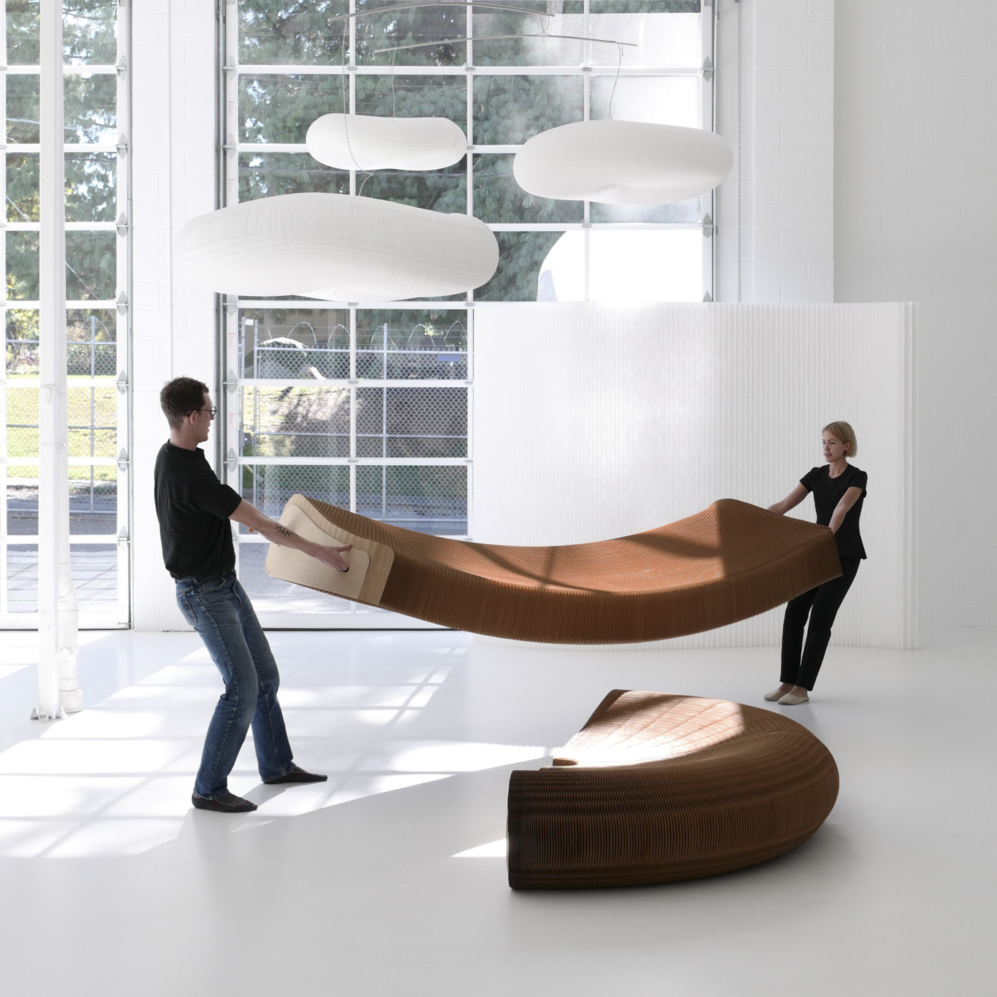
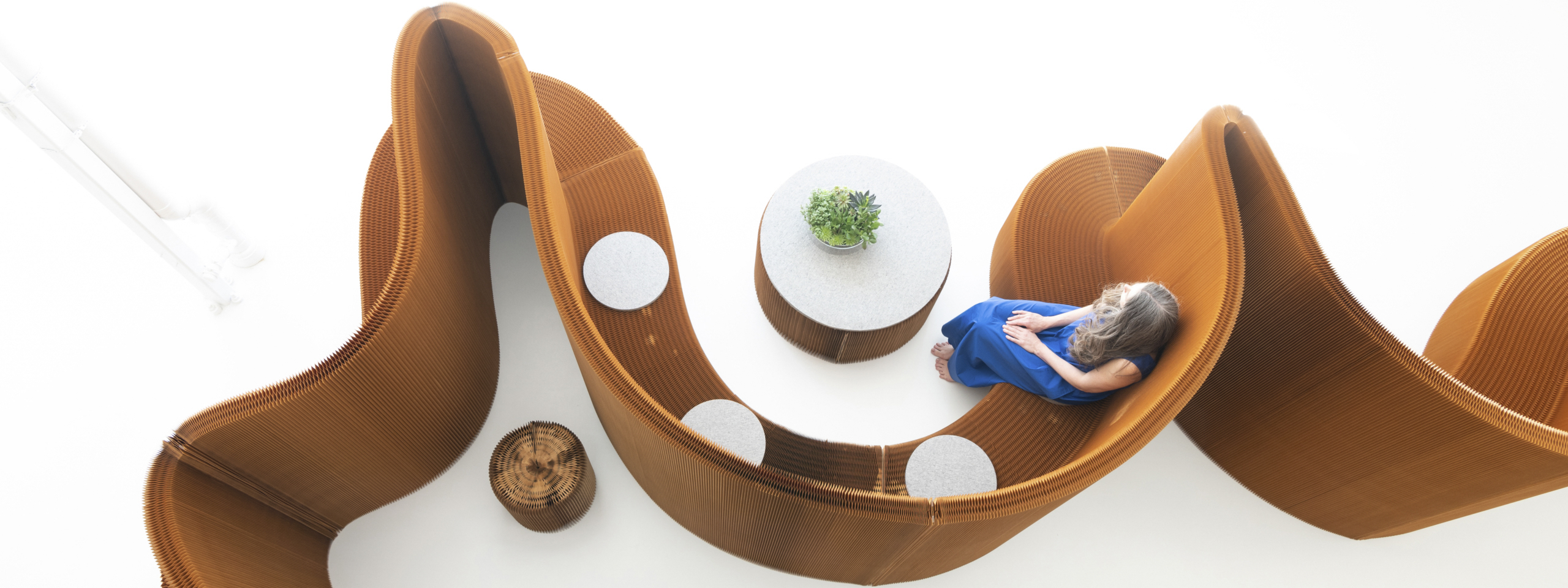
Mirroring traditional architecture, furnishings were often given fixed qualities because they were bound to specific rooms for specific purposes. As interiors became less compartmentalized, furniture began to have the potential to do more for us. In fluid environments, furniture and objects must be multi-use to assume new roles.
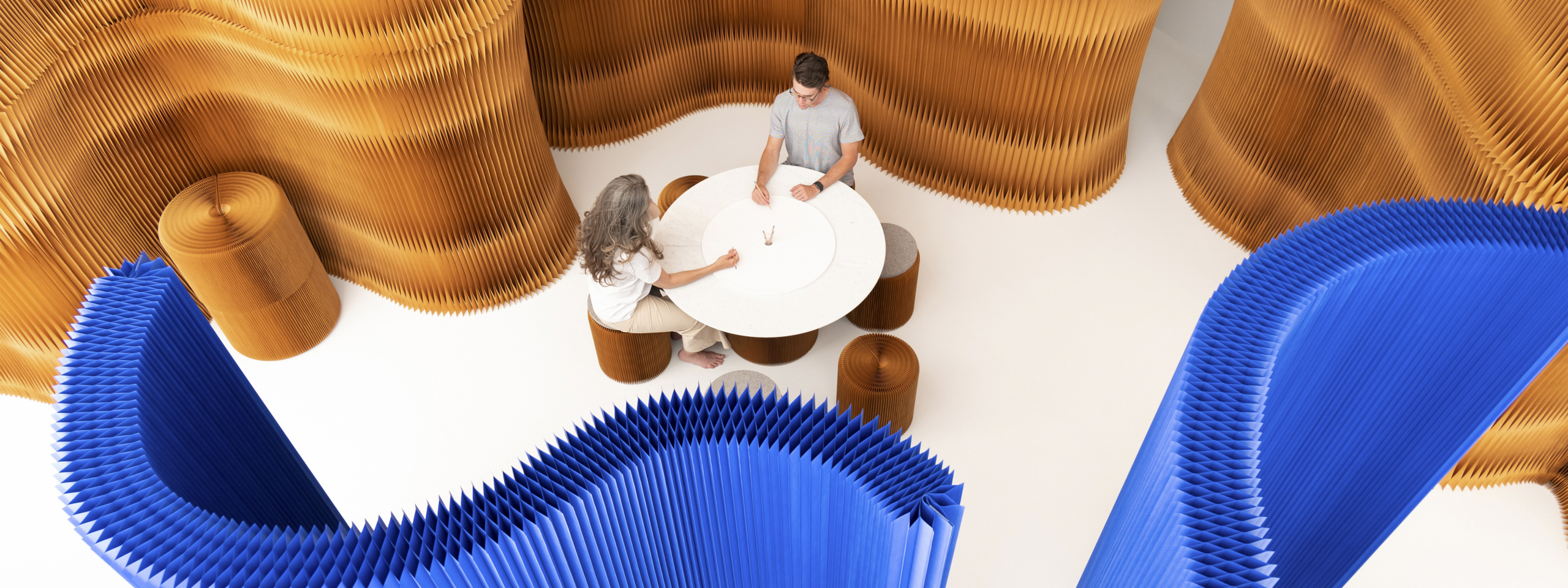
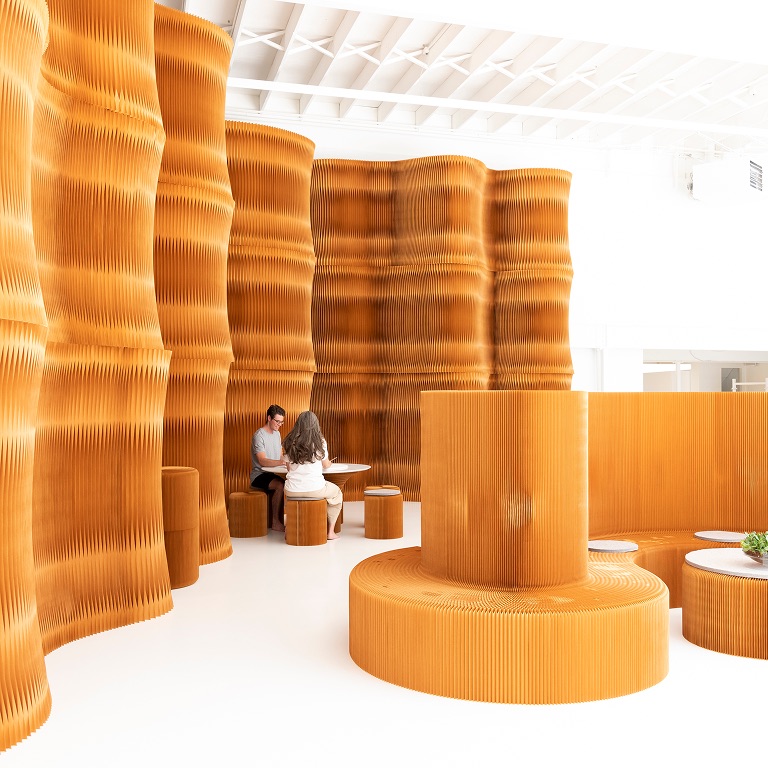
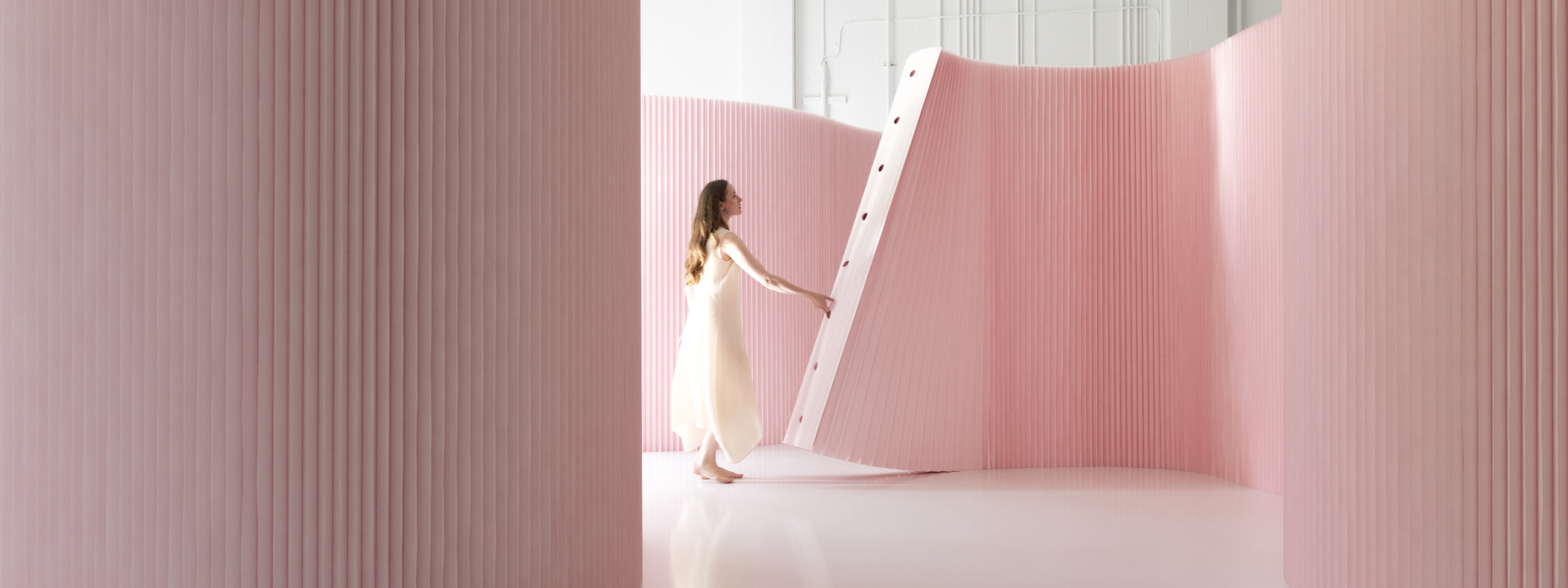
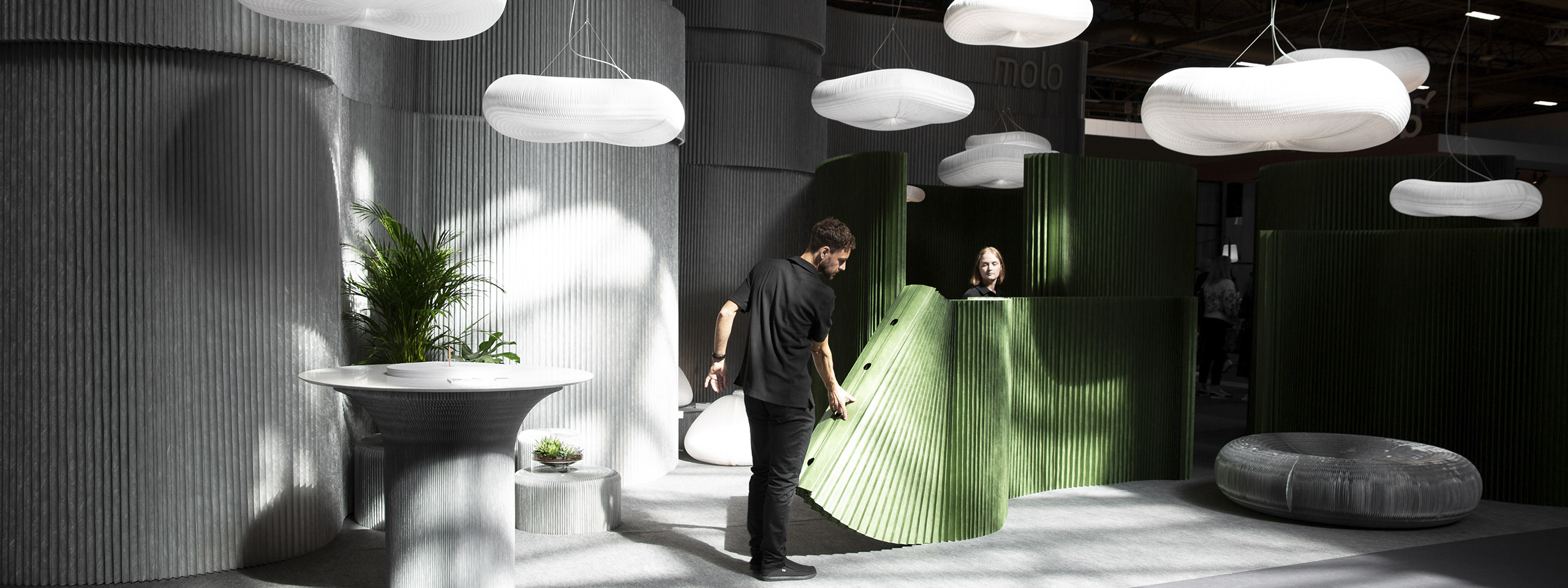
We’ve been developing the soft collection for almost 30 years as a way to meet a growing desire for flexibility in space. We’ve worked with clients who initially purchased pieces to mitigate the challenges of open spaces, but over time, we hear how pieces are used in different ways, at different stages. A business may use softwall to create privacy, but it can also work for an exhibit, a retail space, and an event.
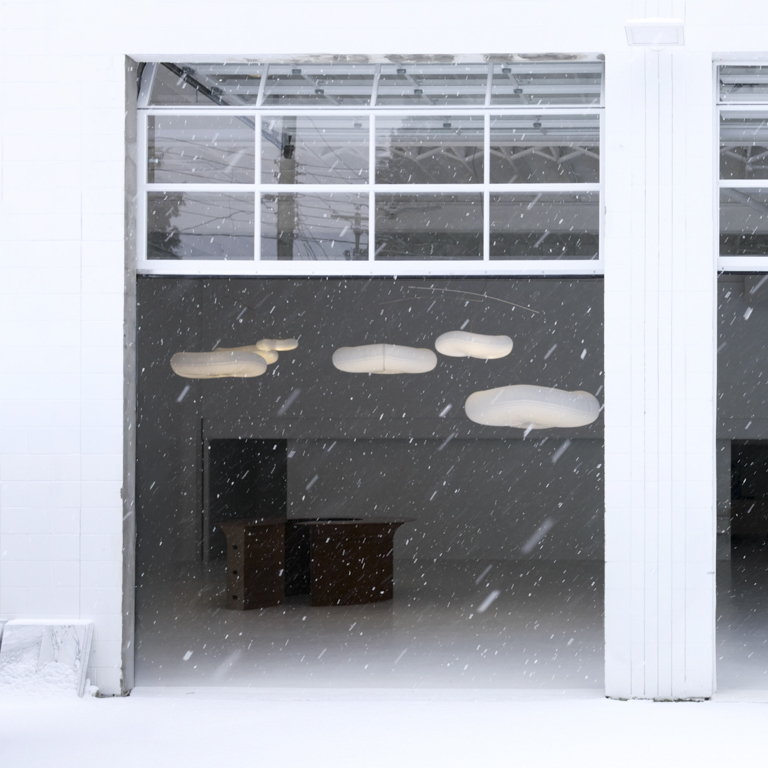
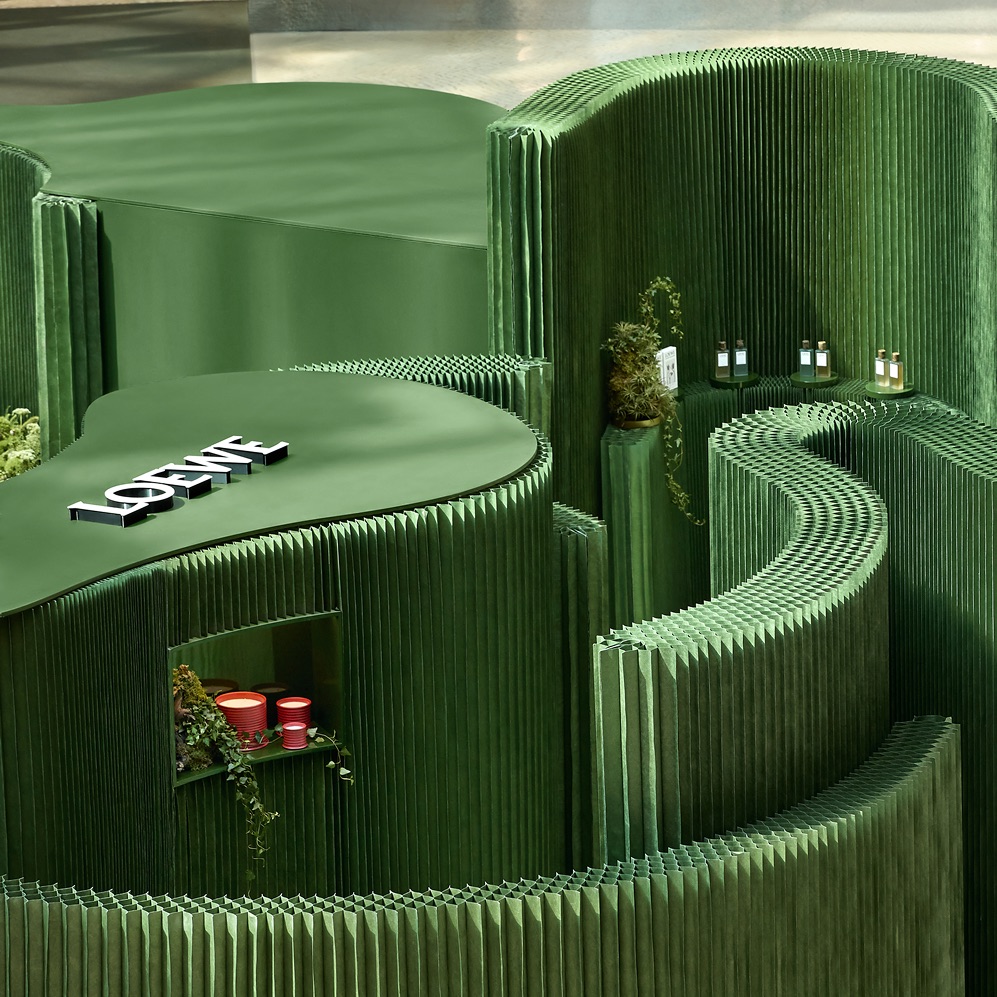 image by Irving Studio for LOEWE
empowering change
We see inflexibility in design as one cause of unnecessary waste. Tearing down walls or changing furniture is costly and ineffective. Flexibility isn’t only more sustainable, it’s empowering for a society that is constantly evolving. If there’s a way to design spaces for continued flexibility, buildings and spaces will inevitably have longer lifespans.
The pandemic was a big moment that reflected this need for flexibility. Lifestyles changed rapidly, and when life settled back down, people sought creative options. We’ve worked with businesses that evolved to create new departments, entrepreneurs renting spaces, and tech companies addressing privacy concerns. In all scenarios, it’s rewarding to see how the soft collection has allowed them to address constant changes.
As families, work environments, and communities redefine themselves, we should be able to pivot whenever necessary and have control over our spaces.
creating visual coherence
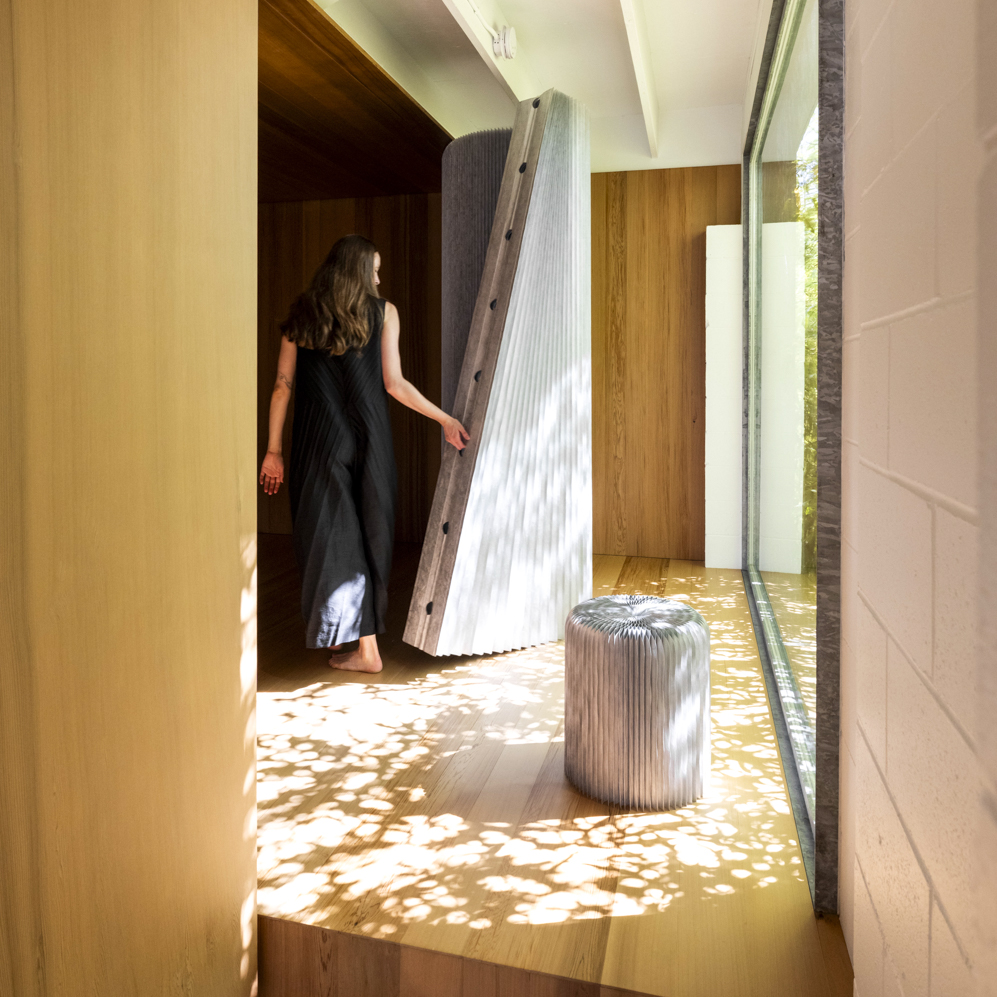
Flexibility does not need to feel temporary. Working with natural elements like light and volume, combined with visual pieces, can create gravitas and a grounded aesthetic. When creating the soft collection, we understood the importance of imbuing a sense of completion, no matter what shape it took. Unlike other temporary pieces of furniture, the soft collection is designed to feel like it’s part of your space. The material’s thickness and the absence of connectors or fasteners allow for greater visual harmony with other objects.
softness as strength
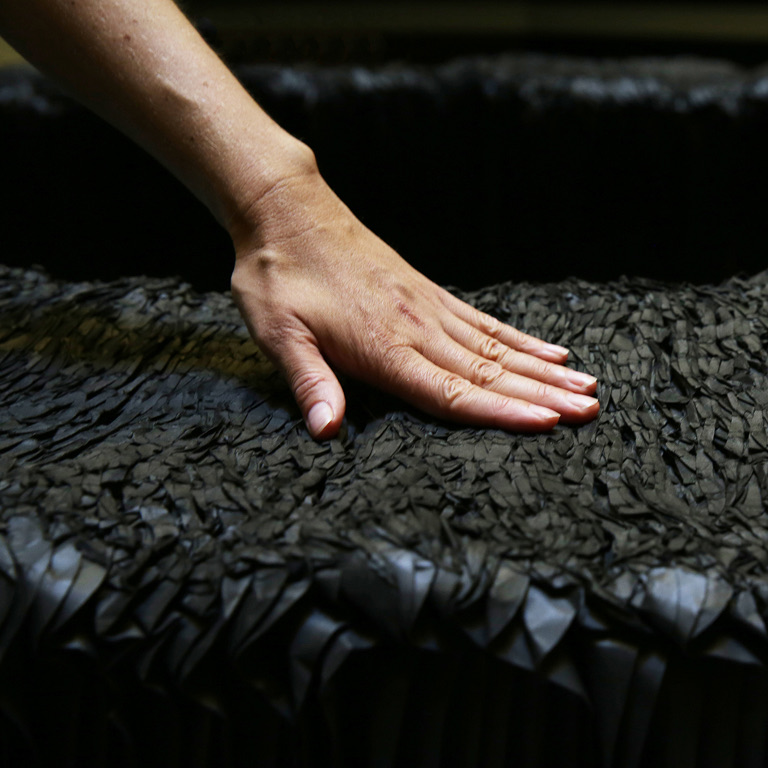
Similar to the way bones or trees are stronger when flexible, we observed that resilient design comes from accommodating change. When expanding, contracting, and shifting the first softwall, we noticed that wear did not appear where we expected it to, but happened at rigid intersections: the hard ninety-degree angle where wall meets floor. By softening that edge with a gentle radius, we reduced visible wear, improved how softwall glides within a room, and lightened the visual weight of the connection. By reconsidering what makes something resilient, we were able to refine and improve the longevity of the softwall.
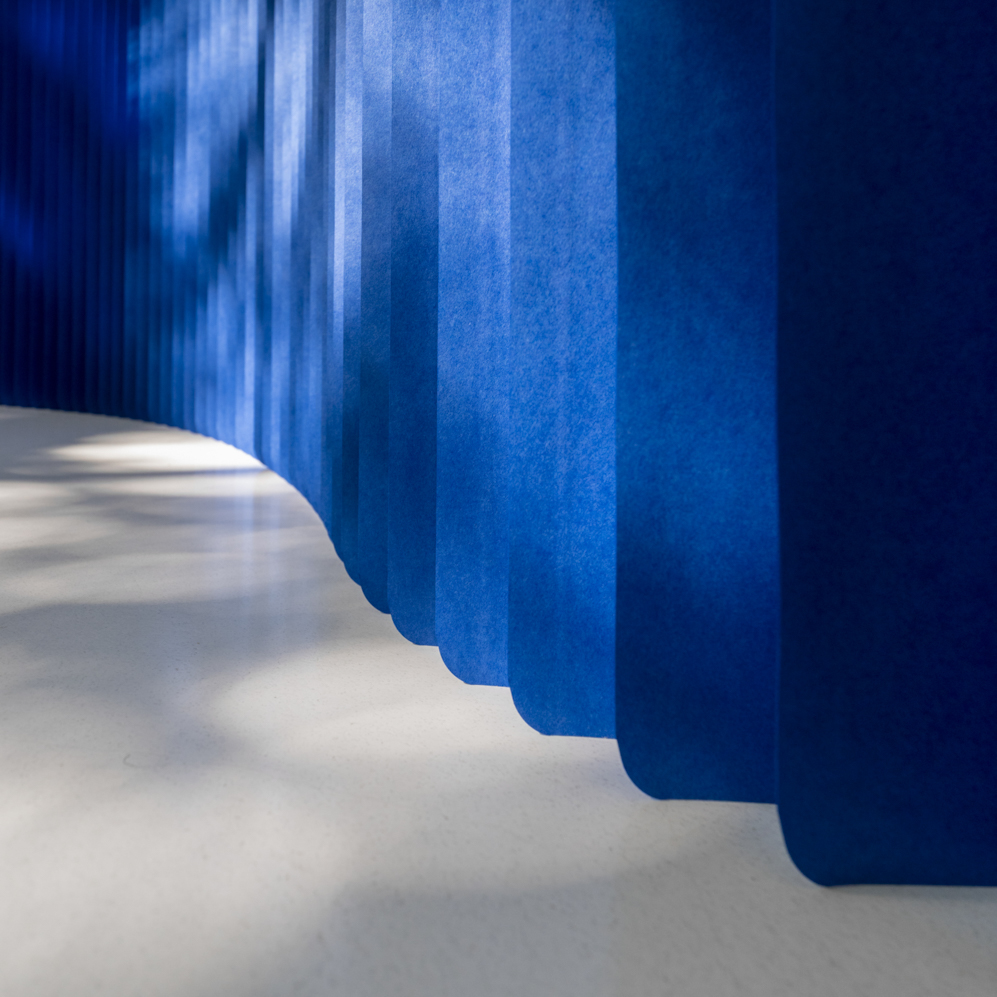
Design, like life, becomes more durable when it is allowed to adapt. We believe that flexibility, in this sense, is not akin to compromise or leniency, but is a sign of resilience. Instead of breaking when challenges come, our softness makes us stronger.
We don’t know what the future holds. But when we leave room for possibility – both spatially and personally – we create space for more beautiful, sustainable, and fulfilling lives.